Natural Leaky Gut & Inflammation Support: How to Heal Your Gut From the Inside Out
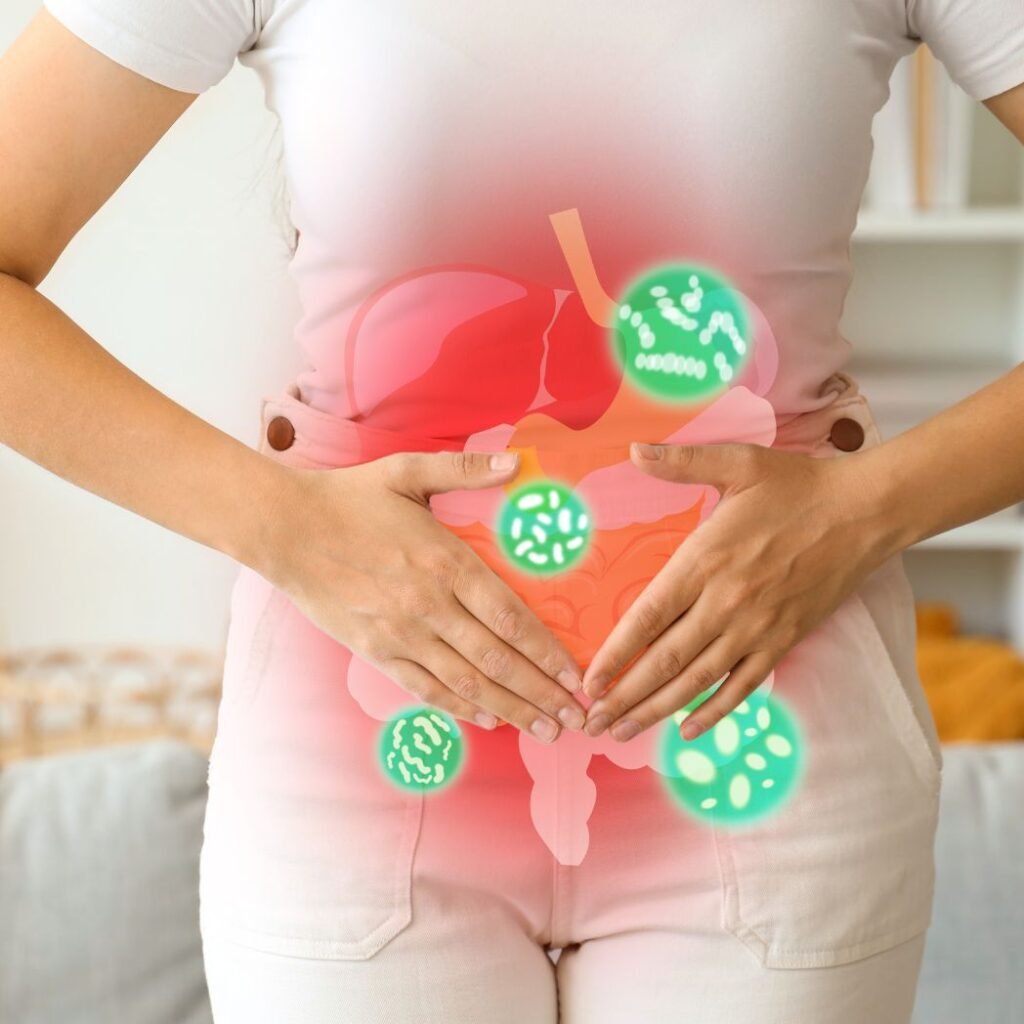
Your gut is so much more than your digestive system! It is a barrier of protection creating a barrier between the food eaten and the rest of the body. As a result, when the barrier becomes vulnerable or compromised, unwanted particles can invade resulting in a host of symptoms and immune reactions, all leading to some form of inflammation.
This is often referred to as “leaky gut” and the number of people who suffer from it is far greater than most realize.
The good news? Your gut is a very resilient organ and can heal itself, particularly when given the proper support.
What Is Leaky Gut?
The interior walls of your gut contain millions of small cells joined together by something known as “tight junctions. These junctions serve as a “security system” of sorts – allowing nutrients in, while excluding harmful materials.
These junctions can become dislodged or damaged, allowing the intestinal wall to leak. Undigested food particles, harmful bacteria and toxins can get into your bloodstream.
These particles are considered to be foreign bodies which your immune system can identify. It responds by starting its battle plan – and its battle plan is inflammation.
If that inflammation persists over time with an intact gut barrier, it won’t shut off. It goes from acute to subacute and systemic.
Common Signs Your Gut Barrier May Be Compromised
There’s no specific symptom to immediately indicate that it’s a leaky gut. Rather, it is more likely to manifest itself in a series of problems that, at first glance, appear unrelated:
Occurring underweight or flatulence which requires no obvious explanation
Failure to improve after rest appropriate for the activity type
Skin problems such as acne, rashes or dry, ashy skin
Worsening all through time food sensitivities
Several types of DRMA are also very common and can contribute to brain fog and difficulty concentrating or thinking clearly.
Joint pain not caused by any physical damage
Mood changes (low mood or irritability)
Complications of digestion loose stools and constipation alternating with each other
Lorem ipsum dolor sit amet, consectetur adipiscing elit. Ut elit tellus, luctus nec ullamcorper mattis, pulvinar dapibus leo.
The Gut - Immune Connection Most People Miss
Your gut and gut flora contain 70% of your immune system cells. It’s not a fluke. Your immune system is focused on one of the main contact points for the outside world, your gut, so it only makes sense.
An increase in gut permeability keeps the immune system continually stimulated. It is not responding to the actual threat, but to particles it is seeing because the barrier is not doing its job, it is stuck on a loop.
This immune over-activation is the connection between leaky gut and systemic inflammation, inflammation that presents itself in the joints, skin, brain and more.
Taking care of your gut barrier is no simple task, it’s about digestion too! Calming an overworked immune system.

How Food Sensitivities Fit Into the Picture
Food sensitivities and leaky gut often go hand-in-hand – but the relationship runs in both directions.
The gut barrier is compromised, and food proteins are absorbed into the blood before they can be completely digested. Your own immune system sees these proteins as an enemy and takes action. With time you develop an intolerance to foods that you haven’t ever had any trouble with.
However, some foods can aggravate gut permeability right from the start! Common culprits include:

Gluten
A protein present in wheat, rye and barley, it can open tight junctions in those with an allergy.
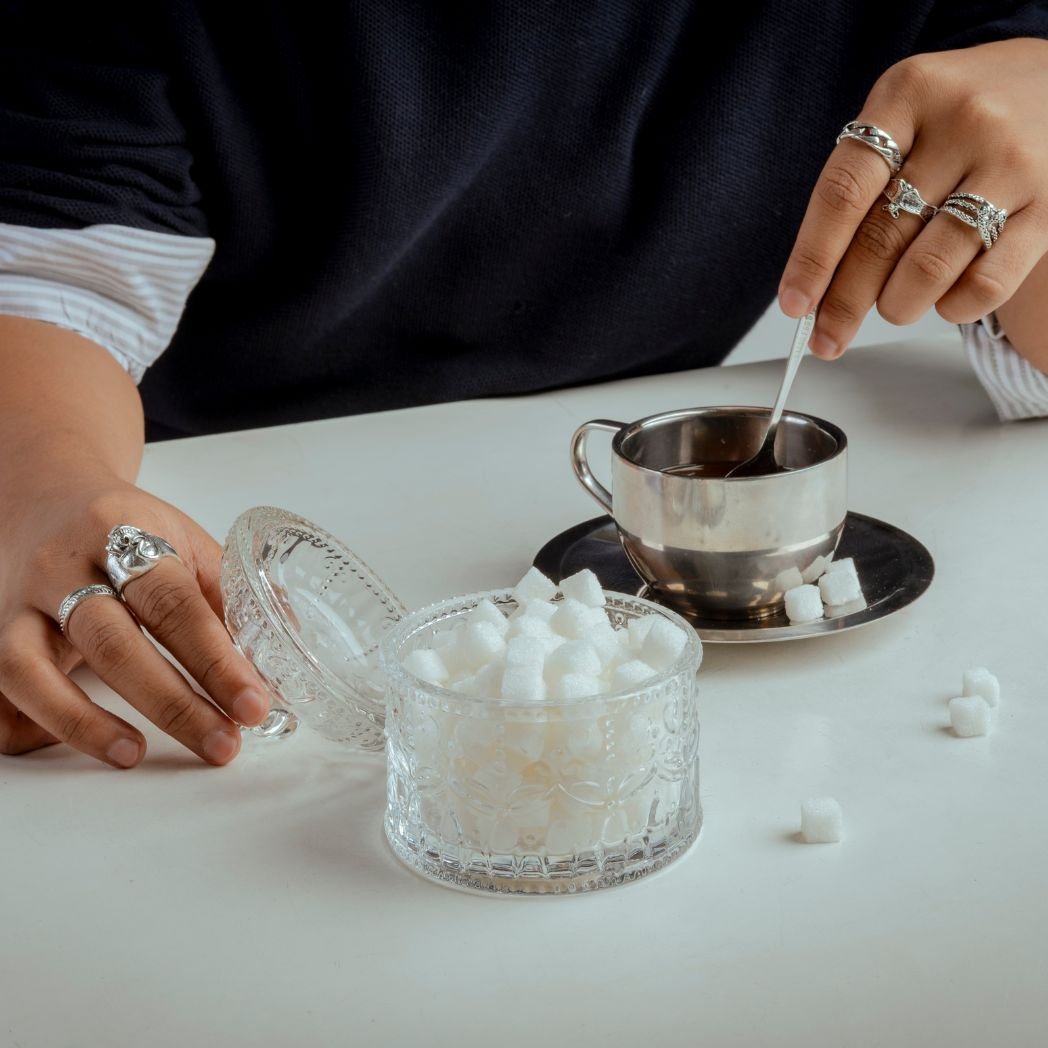
Processed sugar
Feeds gut bacteria which can cause the body harm and disrupt the balance of bacteria in the gut.
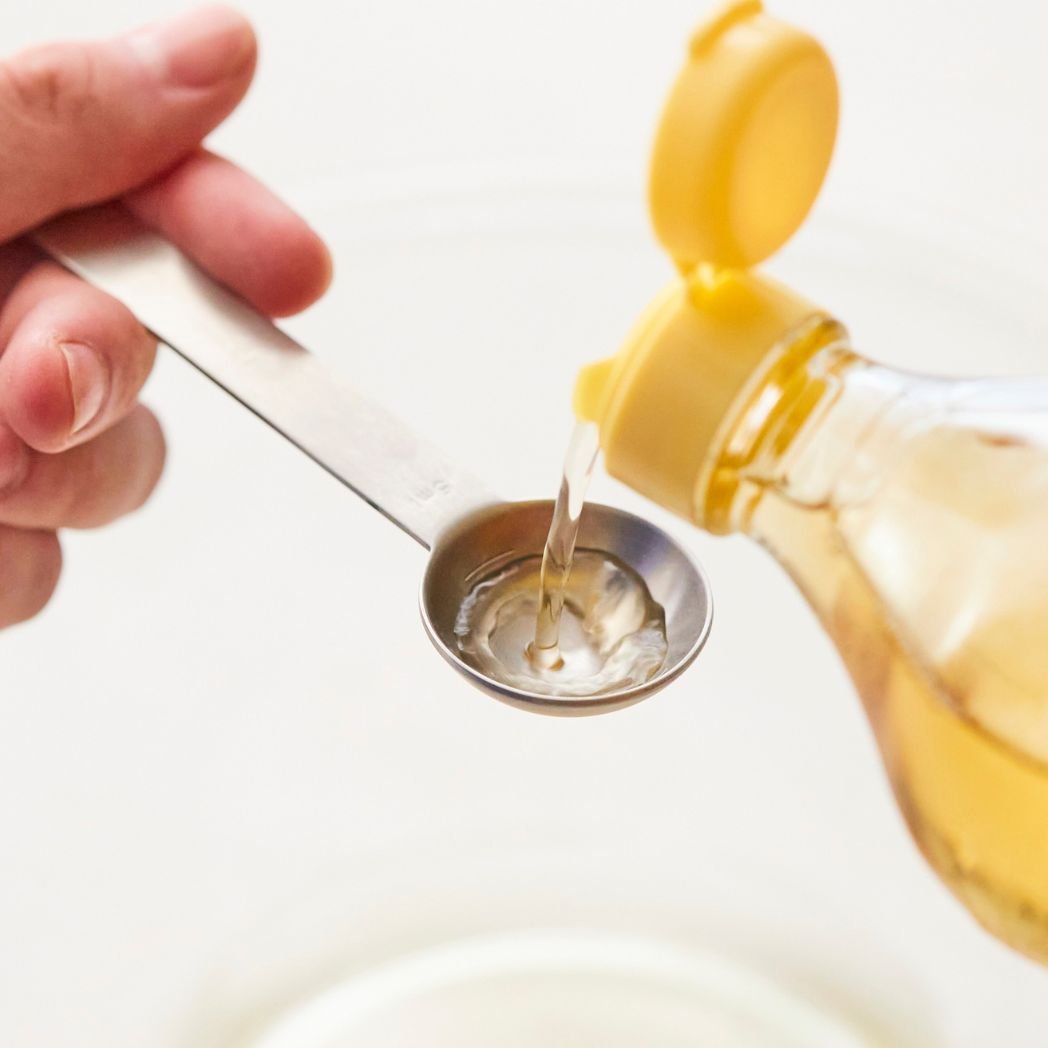
Refined seed oils
A trigger that is found in a lot of processed foods and linked to higher levels of inflammation in the gut.

Alcohol
Directly harms the lining of the gut, and kills off the gut's microorganism balance.
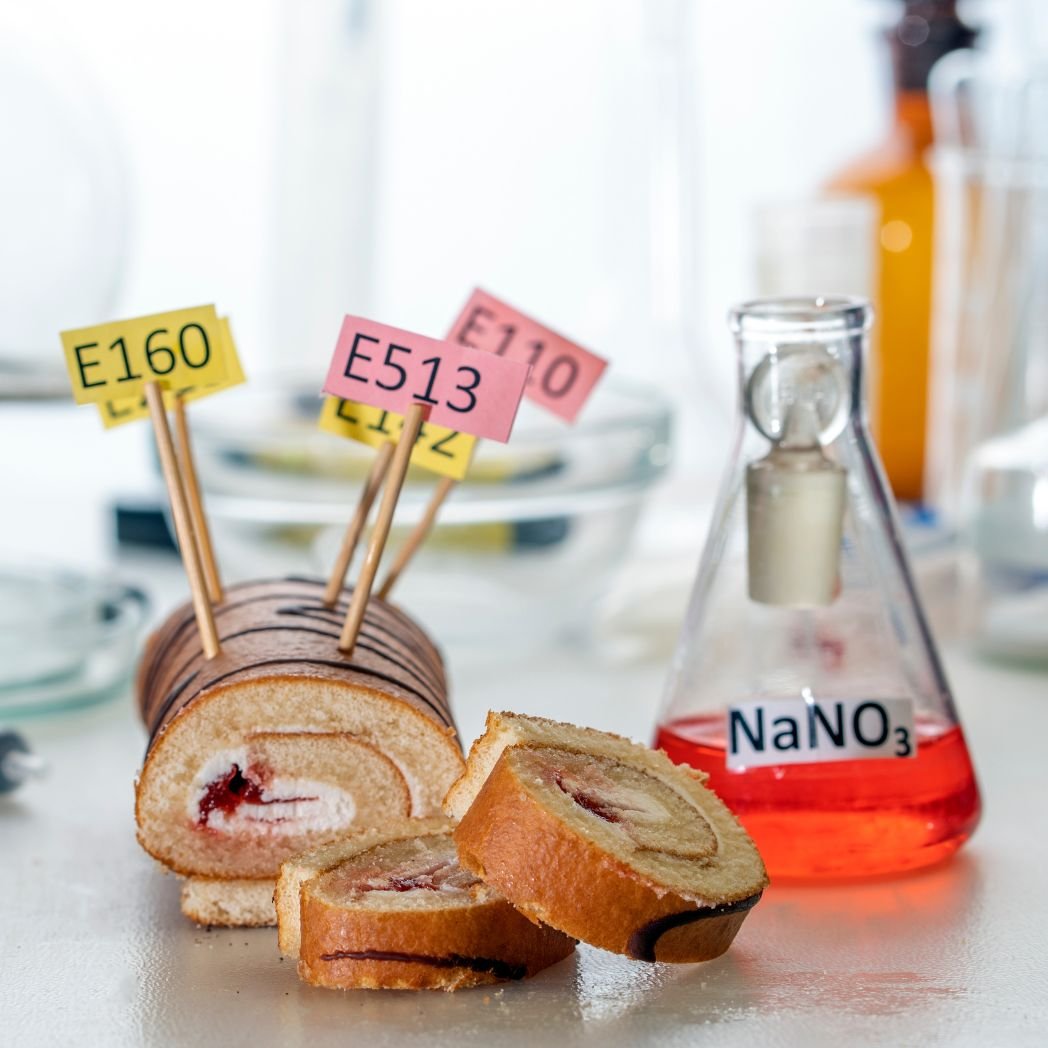
Artificial additives
The preservative ingredients linked to gut barrier disruption such as emulsifiers and sweeteners.
An effective first step in a gut-healing protocol is to identify and temporarily eliminate food that you have learned to tolerate so much that it actually causes your gut to leak through the seams.One of the most effective first steps in a gut healing protocol is to identify your trigger foods and temporarily eliminate them.
Natural Ways to Support a Leaky Gut
1. Prioritise Gut-Lining Foods
Some foods are direct building blocks for rebuilding the gut wall:
Bone broth –
High in collagen, gelatin and amino acids which aid the lining of the gut
Cooked vegetables –
Easier on the tummy than raw and easier to digest
Fermented foods –
Such as plain yoghurt, kefir, sauerkraut and kimchi, which add healthy bacteria
Oily fish –
Salmon, mackerel and sardines provide omega-3 fatty acids which can help to reduce inflammation.
Blueberries and other dark berries –
Chock full of polyphenols that promote healthy gut bacteria
2. Support the Microbiome
There are trillions of gut bacteria, fungi and microorganisms in your gut, known as the gut microbiome. A healthy microbiome acts protectively and keeps the gut barrier healthy. One that is disturbed speed ups its degradation.
Here are some of the key strategies to restore the diversity of the microbiome:
Consume 30+ different plant foods weekly (30+ is supported by research on the diversity in the microbiome)
Eat more prebiotic foods to help promote the growth of ‘good’ bacteria – such as garlic, onions, leeks and green bananas
Explore a multi-strain probiotic with diet changes
Minimize unnecessary use of antibiotics, if feasible
3. Manage Stress – Seriously
One such factor that is often overlooked is chronic stress. The gut-brain axis is bi-directional communication between the gut and brain. Stress response can directly impact gut motility and barrier integrity as well as affect microbiome balance.
But effective stress management is not an “option” for gut healing, it’s essential:
Daily movement
Even 20 - 30 minutes of walking lowers levels of systemic inflammation markers
Breathwork or meditation
Is a stimulator of the Parasympathetic nervous system that aids digestion
Sleep prioritisation
recovery of the gut takes place during deep sleep and less than 7 hours of deep sleep can disrupt this process;
4. Reduce Inflammation Through Lifestyle
In addition to food, there are also factors of your lifestyle that directly affect your body’s inflammatory load:
Eliminate or reduce ultra-processed foods
These consistently are associated with increased levels of inflammatory markers
Limit alcohol
It gets in the way of the bacteria in your gut and directly harms your gut lining
Quit smoking
Smoking disrupts the microbiome and impairs the barrier function
Hydrate adequately
Water is necessary to help keep the lining of the gut in good condition with its protective mucus layer
5. Consider Targeted Natural Supplements
There are some natural chemicals with a proven function supporting gut barrier integrity and inflammatory processes:
L-Glutamine
An amino acid which is the main energy source for cells lining the gut
Zinc
Supports tight junctions and had many people with gut problems were deficient in it
Quercetin
Plant biological compound which is believed to anchor cells and promote cell-to-cell adhesion
Slippery elm and marshmallow root
Calming and soothing herbs traditionally used to coat and soothe the gut lining
Turmeric (curcumin)
A well-studied compound in nature that has anti-inflammatory properties
For most, consult a qualified health professional before taking supplements, particularly if you need to monitor an existing health condition.
What to Expect on a Gut Healing Journey
Healing the gut is a gradual process. The cells in the intestines are replaced every 3-5 days, but it takes time to correct chronic permeability and systemic inflammation – weeks, months, and years.
The reasonable period would be around this time line:
Weeks 1-2:
Eliminating trigger foods, less inflammation triggers
Weeks 3-6:
Start Including gut-friendly foods and supplements; energy and digestion improves
Months 2-4:
Gradual reintroduction of foods, microbiome diversity increasing
Month 4+:
With ongoing lifestyle modifications, the symptoms persist in decreasing
What is important is consistency – not perfection.
Frequently Asked Questions : Gut Inflammation
So what does leaky gut really mean?
Leaky gut is a condition that people can get when their gut lining becomes leakier than it normally is. It does not act as a tight filter-particles, such as undigested food and bacteria, can enter into the bloodstream. This results in an immune and inflammatory response.
Can leaky gut cause inflammation throughout the body?
Yes.Chronically activated immune system results from a compromised gut barrier. This immune process produces inflammation which can thus manifest in different parts of the body such as joints, skin, the brain and elsewhere that is remote from the gut itself.
What are the worst foods for a leaky gut?
Common triggers include gluten-containing grains, refined sugar, seed oils, alcohol and artificial ingredients such as emulsifiers and preservatives. An elimination approach can be helpful to start eliminating individual trigger foods that differ from person to person.
How long does it take to heal a leaky gut naturally?
There is no one right answer – depends on the length of time the gut is troubled, gut health, diet and stress. Many notice an improvement in digestion within a few weeks and more complete healing can occur as many times within 3-6 months of regular practice.
Is "leaky gut" a true, documented illness?
There is scientific evidence to support the idea of increased permeability of the intestine. It’s researched alongside autoimmune diseases, inflammatory bowel disease and other health problems. Leaky gut is a term often used in the realm of functional and integrative health rather than conventional medicine.
Do I need supplements to heal leaky gut?
Not necessarily. The primary steps for gut repair are diet shifts, stress reduction, and sleep enhancement. There are some targeted supplements which can help, such as L-glutamine, zinc and probiotics, a better strategy however is to use those in combination with lifestyle changes rather than as stand-alone interventions.
Can stress really damage the gut?
Yes. There is a gut-brain connection, so what is happening in your mind can directly impact the function of your gut. Stress changes the gut biome, decreases blood in gut issues, and can disrupt the “gut barrier” that holds bacteria in place – so stress management is a requirement for gut healing time frames.