
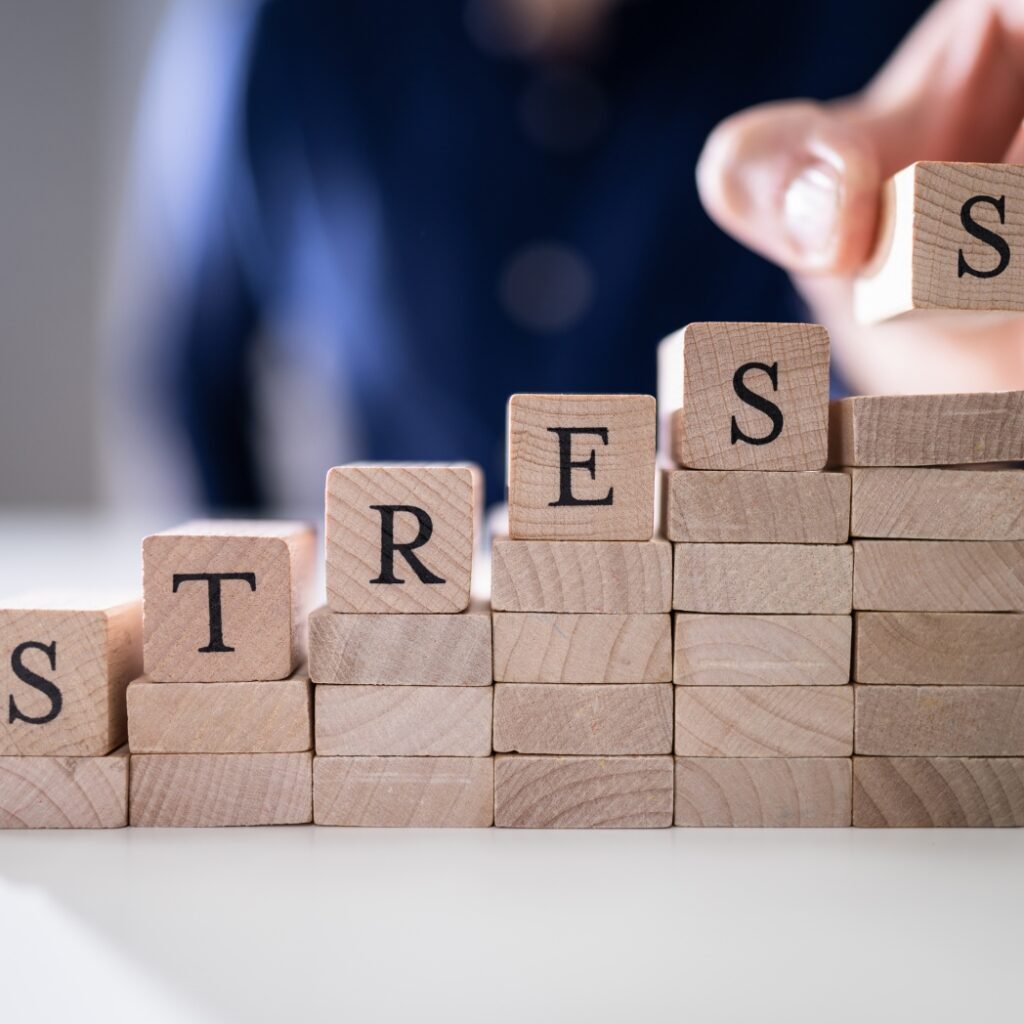
Stress Regulation: Simple Ways to Feel Calm, Clear, and in Control
Life is fast, and you may get lost when duties, expectations, and unceasing distractions begin to accumulate.
One second everything is ok and the next you are all over the place in thinking and your energy is exhausted.
This is the area in which regulation of stress comes into the picture.
Stress is a normal aspect of life. It is not aimed at getting rid of it, but to understand how to react to it so as to keep your balance, focus and be in control.
In this page, we will take you through the practical and natural methods of controlling stress in order to feel more stable in your day to day life.
What Is Stress Regulation?
The skill of balancing your mind and body to deal with pressure, challenges, or uncertainty is known as stress regulation.
It does not concern stress avoidance. Rather it is about:
– Calm thinking when in challenging circumstances
– Bouncing back after stress
– Being focused and clear
Stress can be automatic in nature, but regulation can be developed as time passes. You can learn to react more calmly, rather than reacting on the spur of the moment, with the right approach.
Why Stress Feels Overwhelming Today
The present-day world demands your attention all the time. There is very minimal room of rest in notifications, deadlines and responsibilities.
This can lead to:
- Mental overload
- Emotional fatigue
- Constant tension
Stress accumulation with no discharging will make even basic activities challenging. This is why learning how to deal with stress is necessary in order to achieve a balance in daily life.

Signs You May Need Better Stress Regulation
Most individuals are subjected to stress often without even knowing the extent it has on them.
Some common signs include:
- Sensing anxious or agitated without an apparent cause
- Responds intensely to minor problems
- Problem concentrating on activity
- Constant overthinking
- Feeling mentally exhausted
- Inability to relax even off-duty
Being able to recognize these signs will be the first move towards improving your response to stress.
How Stress Affects Your Mind and Body
Inability to relax even off-dutyControlled breathing is the most commonly known and is the simplest way to begin with.
Mental effects:
- Overthinking
- Reduced focus
- Difficulty making decisions
Physical effects:
- Muscle tension
- Low energy levels
- Always on the alert or nervous
It is not about fighting these reactions but guiding your system so as to bring it back into a calm and balanced state in a gentle way.
Simple Stress Regulation Techniques You Can Start Today
You need not have complicated approaches. Uncomplicated and routine measures can bring significant change.
Controlled Breathing
Deep breathing will soon soothe your system.
- Breath in slowly 4 seconds
- Hold for 4 seconds
- Exhale for 6 seconds
- Repeat a couple of minutes
This assists in letting your body take a rest.
Grounding Your Attention
Getting yourself back to the present moment is a way of lightening mental loads.
- Name 5 things you can see
- Feel 4 things you can notice
- List 3 things you can hear
This is a method that aids in taking the focus off stress.
Move Your Body
Exercising will relieve tension.
- Take a short walk
- Do light stretching
- Take part in mild exercise
Exercise enables your body to work with stress rather than store it.
Take Short Breaks
Stress is enhanced by continuous activity
- Take a walk off a little
- Minimise screen time in the short term
- Be still and set mind at rest
Even minor rest breaks are useful in letting your mind re-set.
Slow Down Your Thoughts
Avoid attempting to halt your thoughts, direct them.
- Note what you are thinking
- Do one thing at a time
- Determine what should be addressed
This brings in clarity and lessens inundation
Daily Routine for Better Stress Regulation
Coherence is an important factor in keeping things in balance.
Morning
- You should not rush, start your day
- Take a few deep breaths before checking your phone
- Set a clear intention
Midday
- Take short breaks
- Move or stretch
- Go out where you can
Evening
- Reduce screen time
- Reflect on your day
- Participate in relaxing activities
Night
- Have a regular sleeping schedule
- List lingering thoughts
- Provide a peaceful atmosphere

Natural Ways to Support a Calm Mind
Your ways of life also affect the manner in which you manage stress.
Balance can be facilitated through:
- Spending time outdoors
- Listening to relaxing music
- Practicing mindfulness
- Being involved in fun activities
These few steps assist your mind in a reset and in stability.
Long-Term Habits That Support Stress Regulation
Green practices bring about a long-lasting change.
Build Awareness
- Be aware of feeling stressed.
- Identify triggers
- Understand patterns
Simplify Your Routine
- Focus on priorities
- Reduce unnecessary tasks
- Create structure
Protect Your Energy
- Set boundaries
- Limit distractions
- Select what is worthy of your notice
Stay Consistent
- Do simple things in daily life
- Be focused on improvement, not perfection
Frequently Asked Questions Stress Regulations
Why does stress sometimes come back even after I feel better?
Stress never leaves us, it is usually in waves. You may be okay for some time and then some little thing reminds you of it. That’s normal. The thing is how soon you can restore yourself to the calm condition with the help of simple methods.
How do I calm myself down in the moment when everything feels too much?
Begin with something very simple. Take a break, hold your breath, stop whatever you are doing, and have a couple of minutes or so without the pressure. It is not essential to correct everything immediately, but you need to empty your body first.
Can I improve stress regulation even if I’ve felt stressed for a long time?
Yes, absolutely. The length of time you have been experiencing stress does not matter. Even minor regular alterations can make a visible change. The trick is to begin with the basics and keep on doing it.
What if I don’t have time for stress relief routines?
You do not need any lengthy routines. A couple of deep breaths, a stroll or taking a break of your screen can help. Stress management is more of the mini-greats during the day and not the extended periods.
Why do I react quickly instead of staying calm?
This normally occurs when your head and body is already overloaded. As your stress levels increase, your responses are quicker and more intense. You can learn to stop, even just a few seconds and you will react more calmly in due course.
Is it okay to take breaks when I feel overwhelmed?
Yes, breaks are not a weakness sign, they are a method to re-establish. Taking short breaks enables your brain to rest and be back with more concentration and clarity.
How can I stay calm during stressful situations at work or study?
Concentrate on something and not on all at once. Get some breaths, make a list of what you should get done first and remember that you do not have to look after it all the first time around.
Why do I feel tired even when I haven’t done much physically?
Stress of the mind can also consume your energy like exercising. You may be tired because when your mind is busy it consumes a lot of energy.
Can overthinking increase stress levels?Can overthinking increase stress levels?
Yes, stress can be much worse with overthinking. When the same thoughts are replaying in your mind, in order to relax, it becomes difficult. Breaking that cycle can be done by writing things down or diversion of attention.
Why do small problems sometimes feel so big?
Being under stress after a long time, even little problems will be too much. The problem itself is not a big issue, it is the pressure that has built up behind.