

Mold Disease – How It Can Affect Your Daily Balance
Mold is also an ordinary component of most houses and outdoors. It proliferates in wet, humid or stuffy places, and is not always visible initially. Although small quantities of mold are normal in the environment, the continued disease in an indoor environment can affect the way you feel and operate in your daily life.
People do not pay attention to mold since it may remain unnoticed behind the wall, under the surface or find its way in the existence of any form of moisture accumulation. With time though, time and again being exposed to mold may bring about discomfort and disruption of routine.
Rather than contemplate the complexities of disease, an understanding of the mold disease as an environmental factor, that could be affecting your comfort, energy, and overall balance, is a helpful approach. By identifying and addressing these issues when still young, it becomes possible to establish a much healthier and more stable living environment.
Understanding Mold Disease in Simple Terms
disease to mold occurs when you spend time in a place where mold grows, most especially in indoor areas where there are inadequately circulating air, and that are excessively humid.
It may grow in such regions as:
Moisturized bathrooms
Poorly-ventilated kitchens
Walls affected by leaks
Air systems which are not frequently cleaned
Damp storage spaces
Mold emits tiny particles of the air. When such things are in closed spaces, they could influence the level of comfort you experience with time.
All are not reactive in a similar manner. There are individuals who might be able to quickly notice the change, and some people might not notice anything at all. This is relative to individual sensitivity, time of disease and the conditions of the environment.
Common Signs Linked to Mold Disease
There are usually subtle cues given to you by your body and even the environment to give you the impression that there may be some mold. These are generally signs that are not straightforward or noticeable but it might be that there is something in your environment that needs your attention.
You may notice:
Indoor damp odor or musty odor
Fatigue or lack of energy
Problem with concentration on daily activities
Feeling at ease with some rooms
Increased sensitivity to environment
These manifestations can be different in different individuals, and are usually connected with prolonged disease, but not instrumental event.
Environmental Factors That Support Mold Growth
Mold can survive under certain conditions. Knowledge of these factors can assist you to avoid or minimize disease.

High Humidity
Humid air provides an optimum climate to grow mold. Poorly ventilated areas will tend to have mold growing over time.
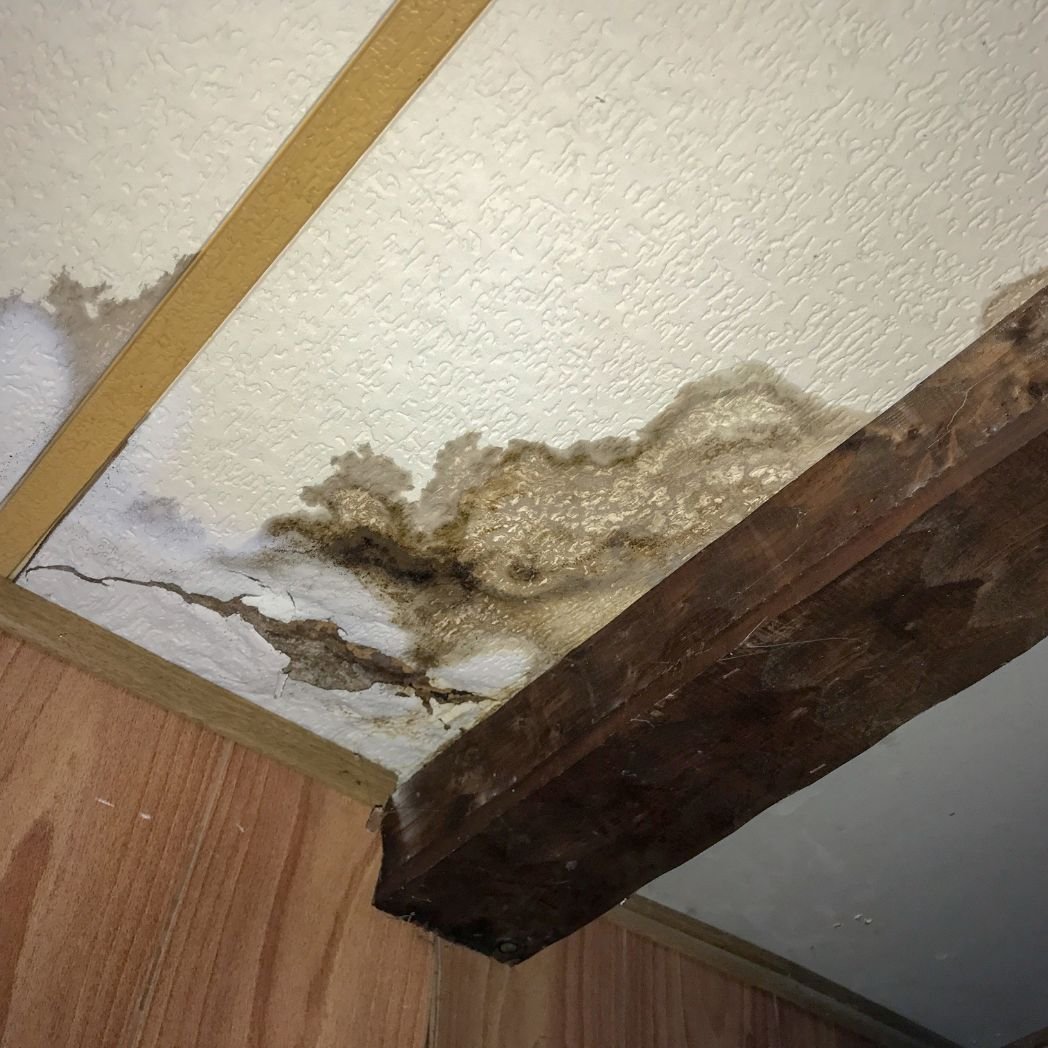
Water Leaks
Leaks in the pipes or roof or walls will provide a hidden moist area where the mold will propagate without attracting attention.

Poor Air Circulation
Lack of ventilation will lead to accumulation of moisture in the room which will encourage the growth of molds.

Indoor Condensation
Moisture build up can also be contributed by condensation on windows or wall.
How Mold Disease Can Influence Your Daily Life
The disease to molds is not necessarily evident, but its consequences can be observed in the everyday life.
People often report:
– Less comfort at indoors
– Embodiment of energy modifications
– Difficulty maintaining focus
– Feeling that he or she is better when not in the environment
Such effects are most commonly attributed to the environment and not that of a particular condition. This is the reason why the correct response to making your environment better is likely to result in an increase in overall comfort.

Practical Steps to Reduce Mold Disease
There is no need to solve complex problems to manage the disease to molds. Everyday and ordinary kinds of actions can leave a tremendous impact.
Improve Ventilation
Open your windows frequently and make sure you allow fresh air to pass through your house.
Control Moisture
Repair water leaks in a short time and prevent the accumulation of water in any space.
Use Natural Light
Sun rays contribute to lessening the dampness and contribute to a healthier indoor environment.
Clean and Maintain Spaces
Surfaces and air systems can be cleaned regularly to help minimize accumulation.
Monitor Humidity Levels
Empire Mold can be prevented by maintaining the humidity indoors to avoid its growth.
Build a Healthier Living Environment
The best solution to mitigating disease to molds is creating a balanced environment. Having habits that facilitate stability in the long term is preferable as opposed to trying to find short term solutions, which will only end up causing more problems than solutions.
Begin with some easy modifications:
- Maintain your area as clean as possible
- Make sure that there is adequate airflow in every room
- Note wet spots that are concealed
- Be very regular with cleaning
As the surrounding gets better, the day-to-day comfort sometimes becomes better.

Why Awareness Matters
Most individuals do not care about mold disease as they do not always come across it. But being aware of the fact makes you take the earliest possible action before the situation gets to be a bigger problem.
Once you know how your surroundings impact you then you are in a position to make wise decisions and enjoy a more comfortable life.
Take Control of Your Indoor Environment
Your surroundings are something you have more control over than you ought to believe. Even minor changes are likely to cause observable alterations in the way that you experience daily.
Ready to Improve Your Indoor Space?
– Determine latent areas of moisture
– Enhance air traffic and ventilation
– Keep an environment clean and dry
– Provide a more comfortable place to live
Frequently Asked Questions About Mold Disease
Q1. What is mold disease in simple words?
Being in a place where mold is growing, particularly in the damp or poorly-ventilated area is referred to as being in a lifestyle superset.
Q2. How can I know if mold is present in my home?
Musty smell, wettish spots, or small aches in some of the rooms may be a sign of the existence of molds.
Q3. Does mold affect everyone the same way?
No, just everyone is sensitive and responds differently based on sensitivity and disease.
Q4. Can improving ventilation help?
Yes, with safer airflow, moisture may be lessened and help decelerate the growth of molds.
Q5. Is mold always visible?
Yes, it may be growing in some concealed areas such as behind the walls or under the surfaces.
Q6. Can I reduce mold disease naturally?
Yes, through maintaining a clean, dry and well-ventilated environment.
Q7. What is the main cause of mold growth?
Moisture buildup and lack of airflow are the main factors.
Q8. How quickly can mold grow?
Unless it is controlled, mold might begin to grow in damp conditions after a short period.