Microbiome Imbalance: What It Is, Why It Happens, and How to Support Your Gut Naturally
Trillions of microorganisms that make up your gut include bacteria, fungi, and other microscopic life forms that collaborate to ensure that your body runs smoothly. It is known as the gut microbiome, and when operating in harmony, you will feel it: stable energy, proper bowel movements, a quicker mind, and a healthy immune system. However, once this community is taken out of balance, the consequences will spread much further than your stomach. Learning about the microbiome imbalance, what it is, what disturbs it and how you can restore them to their usual state is one of the most significant things you can do to improve your long-term well-being.
What Is Microbiome Imbalance?
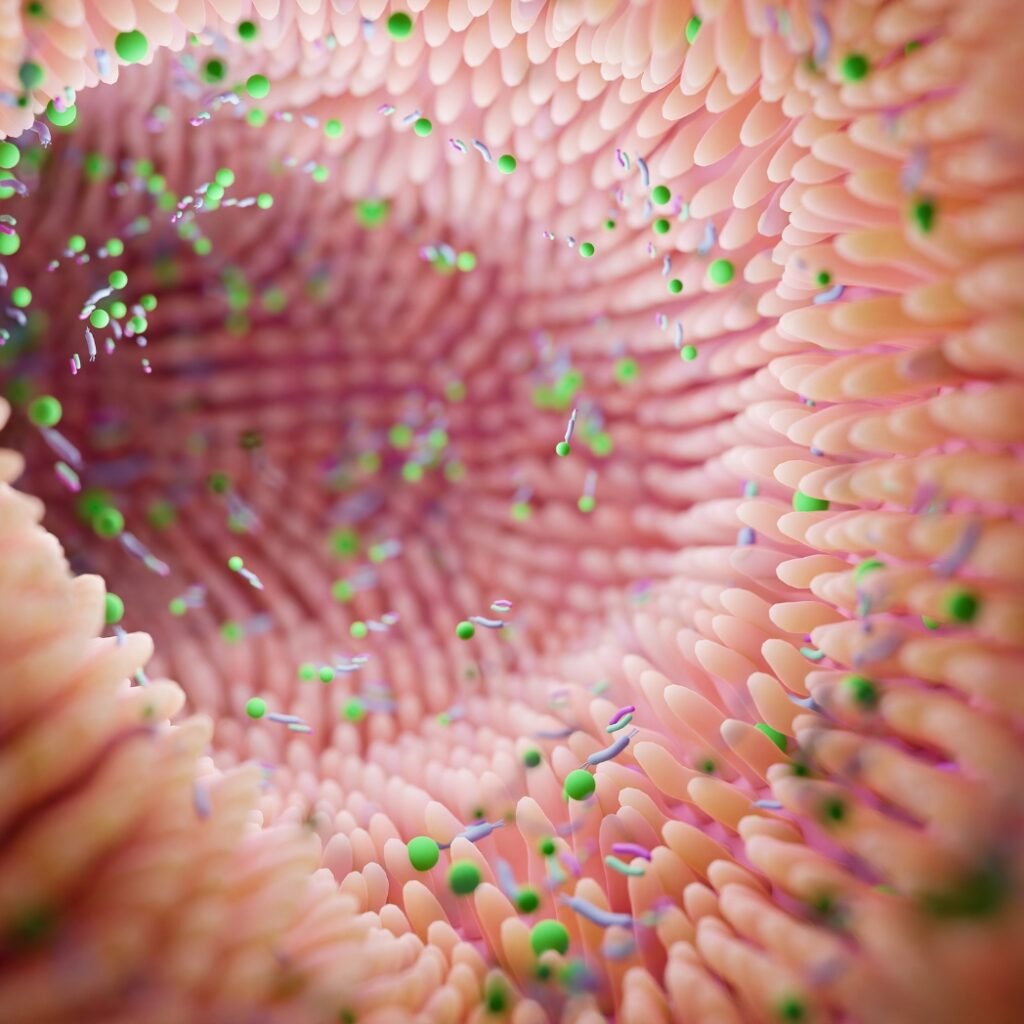
The diverse healthy microbial community consists of a wide range of beneficial microorganisms living in harmony with one another. When such diversity becomes smaller, or when the maleficent microbes start to outnumber the more useful ones, your gut becomes unbalanced. Researchers have termed this imbalanced state as dysbiosis -the loss of balance, of thriving ecosystem that your body relies upon.
Consider you gut as a garden that is well maintained. Everything is good when the ground is fertile and the variety of plants is great. However, once weeds gain control, the entire garden is affected. An imbalanced microbiome functions by the same principle: some bacteria get excessively large, and others die, with the downstream implications manifesting themselves across your whole body, and not just in your digestion.
Common Signs Your Microbiome May Be Out of Balance
The microbiome imbalance hardly ever presents itself in such a manner that it could be noticeable. Rather, it is likely to manifest itself in the form of a group of symptoms, which would appear disconnected at first sight. Among the most common signs, there are:
1. Constant bloating, gas, or bowel malformations
- When the balance of the gut bacteria is disturbed, it has a direct impact on the way your food gets broken down and how well your digestive system moves.
2. Nausea or loss of energy that can not be explained by other causes
- The bacteria living in your digestive system are very important in helping your body absorb different nutrients; when this is not well absorbed the body is unable to assimilate those nutrients.
3. Major brain fog or lack of concentration
- The gut and brain are connected directly through the gut-brain axis which is a two-way pathway involving the gut and the brain using the vagus nerve and chemical substances such as serotonin.
4. Mood swings, higher levels of stress response, or lack of motivation
- Most of the serotonin in the body is produced in the gut; disturbances here can influence the control of emotions.
5. Skin issues such as dullness, breakouts, or sensitivity
- A weakened gut lining means that any inflammatory triggers circulate more freely, which tends to be reflected on the skin.
6. Easy to get run-down
- Many functions of the immune system originate in the gut; when the gut microbiome goes off-balance sheet, immune signalling can become dysregulated.
These symptoms do not prove any particular condition – but are important signs that your intestinal ecosystem might be in need.
What Disrupts the Microbiome?
The balance of bacteria in your gut can change due to several factors in your everyday life. Most documented disruptors include:
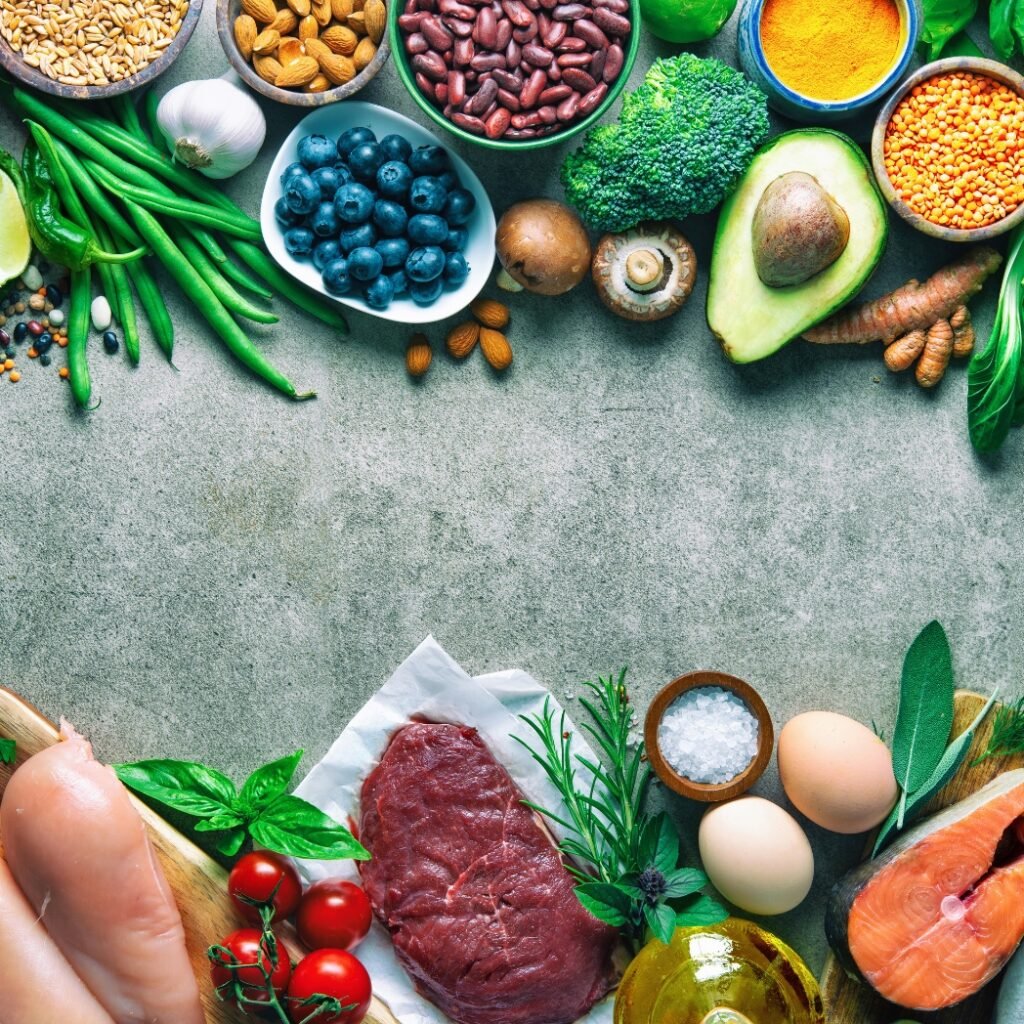
One of the most powerful factors affecting your microbiome is the quality of the diet. Low-dietary-fiber and high-processed food diets deprive beneficial bacteria of their nutrients to thrive. The beneficial bacteria nourish mainly on plant fiber and fermentable carbohydrates – when these are not available, the populations of the beneficial bacteria will decrease. In comparison, ultra-processed foods are more likely to promote the growth of unfavorable bacteria strains.
Gut-brain axis is directly affected by stress. Under prolonged stress, the body may change gut motility, various pH levels within the digestive tract, and even may decrease the diversity of your microbial community. It is also a two-way street: a disturbed microbiome can also enhance the stress reaction of the body.
The use of antibiotics is among the greatest disruptors of the gut microbiome in the short term. Though in some cases antibiotics are not only necessary, but can also discriminate between good and bad bacteria. It has been consistently found that such a course of antibiotics can have a significant effect on the microbial diversity, and those effects can last months.
The patterns of sleep are more important than the majority of people think. Lack of sleep or sleep disorders have also been associated with low diversity of microbes. Your gut microbiome has its own circadian rhythm – any disturbance to your sleep will disturb your gut.
Another factor that has not been given much thought is limited physical movement. Research indicates that regular exercise correlates to a more resilient gut ecosystem, and a sedentary lifestyle is associated with a resilient gut ecosystem.
The Gut-Body Connection: Why Balance Matters Beyond Digestion
The rediscovery of gut health as whole-body health has been one of the most important changes in the research on wellness over the last decade. Your microbiome does not merely process food, but rather is involved in systems throughout your body.
The gut plays an important role in the functioning of immunity. Approximately 70-80 percent of immune response is the product of the gut lining as well as the signals of the microbes that train and regulate immune responses. In case of a balanced gut bacteria, the immune system is assisted in ranking the severity of the threat and harmless objects. This calibration is prone to fail when not.
There is a close relationship between the gut and mental clarity and mood. The gut-brain axis, or the connection between your digestive system and your central nervous system, means that the health of your microbiome can influence your thoughts, how you feel and your ability to manage stress. This is the reason why many researchers currently refer to the gut as a second brain.
The health of the skin is an expression of the health of the gut in the manifestations you see. In cases where the gut lining has been compromised the inflammatory signals may be transmitted to the skin and lead to sensitivity, uneven tone, or breakouts. In support of the gut is becoming more and more recognized as a significant tool in supporting the skin in an inside-out manner.
Your gut bacteria are efficient extractors and processors of nutrients and can regulate energy and metabolism. A healthy microbiome helps to better absorb vitamins and minerals, maintain more stable energy levels throughout the day and perform more efficient metabolic functions.
How to Support a Balanced Microbiome Naturally
There is not a single dramatic solution to restoring and maintaining balance in the microbiome. It is also concerning regular, day-to-day decisions that would establish the most suitable environment to allow positive bacteria to flourish.
Add variety in the plant foods consumed
- Target increased diversity of plant foods eaten: vegetables, legumes, whole grains, nuts, and seeds. A varied diet is nourishment to a varied gut.
Include fermented foods
- Foods such as yogurt and kefir, as well as sauerkraut, kimchi and miso naturally add beneficial bacteria into the digestive tract.
Put in good sleep
- Regular sleep habits can aid the circadian clock of your intestinal microbiome, as well as your personal.
Actively managed Stress
- Breathwork, movement, journaling, or time in nature all have been actively managed in documented studies to affect the gut-brain axis.
Keep hydrated
- Water helps with gut motility and provides an environment in which beneficial bacteria could move and act optimally.
Probiotic and prebiotic supplements
- A high-quality probiotic supplement introduces good bacterial strains to your gut, and prebiotic fiber nourishes the bacteria already in your gut.
The useful live bacteria themselves are known as probiotics. Their food is the fibers and plant compounds called prebiotics. When taken together, they constitute an effective combination in supporting microbiome balance – a well-justified concept in current studies.

Supporting Your Gut Every Day
Microbiome balance is not one of the destinations you reach once, but a continuous state that you maintain using the decisions you make in your everyday life. Each meal, each hour of sleep, each walk you take, and each stressful moment that you deal with improve the health of your gut ecosystem.
At HealthfullyU, we do believe that supporting your microbiome is one of the most basic investments that you can make in terms of your overall wellness. A healthy gut is not a luxury – it is the backbone of the energy, the clarity, the strength, as well as the vitality you need to feel on a daily basis.
Want to improve your gut? Browse our handpicked selection of gut wellness products – created to help your microbiome flourish both internally and externally.
Frequently Asked Questions About Microbiome Imbalance
Q1. What is microbiome imbalance and how does it affect the body?
Microbiome imbalance: When the community of bacteria and microorganisms living in your gut is no longer in a healthy and diverse condition. Trying beneficial bacteria, less useful ones gain power. This change may impact digestion, energy, mood, immune health, and skin health – because your gut microbiome is actively involved in all of these systems, and not just digestion.
Q2. What are the most common signs of a gut microbiome out of balance?
Most frequently reported symptoms are persistent bloating, bowel irregularity, unexplainable cases of fatigue, brain fog, frequent cases of low energy, mood changes, and skin sensitivity. These signs do not usually exist on their own but are usually conjunctive. When you find a few of them regularly, that could be a sign that your gut bacteria require attention.
Q3. What causes the gut microbiome to become imbalanced?
A number of daily causes upset the balance of microbiomes, including:
- Low concentration of plant fiber and high level of processed foods
- Use of antibiotics that is prolonged or repeated
- Poor sleep and chronic stress
- Limited physical activity
- Dehydration and abnormal eating habits
These processes decrease the diversity of microbes over the course of the time, undermining the gut ecosystem.
Q4. Can stress really affect your gut microbiome?
Yes. Stress stimulates the response of the nervous system of the body which has a direct impact on the functioning of the gut by the gut-brain axis response. Lasting stress causes alterations in gut motility, changes in the inner environment of the gut, and has been indicated to lead to reduced diversity of beneficial bacteria. It is also a two-way street with a broken microbiome intensifying the degree to which the body is stressed.
Q5. How long does it take to restore microbiome balance naturally?
No common time scale exists, since each individual has a unique microbiome. Nevertheless, studies indicate that visible alterations in the microbial makeup can be achieved with dietary modifications that are consistent, with increment in the number of fiber types, addition of fermented foods, reduction in the amount of processed foods, etc. Maintaining a balance means consistency in long-term lifestyle and not quick-fixes.
Q6. Are probiotics and prebiotics the same thing?
No. Probiotics are live beneficial bacteria that are introduced in the gut with food or supplements – such as Lactobacillus and Bifidobacterium strains. Prebiotics are the fiber content plants that are already living in your gut that feed the bacteria already existing in your gut. They complement each other: probiotics add useful strains, and prebiotics ensure their establishment and prosperity. It is viewed that a healthy diet or nutritional system which comprises both is the most efficient method of supporting microbiome balance.
Q7. Is gut microbiome imbalance permanent?
No. The gut microbiome is very flexible and adjusts to dietary, lifestyle, sleep, stress management changes. Although certain disruptions (such as prolonged antibiotic use) can cause severe short-term changes, under the right conditions, the microbiome has a natural ability to recuperate and rebalance itself. Regular day to day routines are the surest way to maintaining gut balance.
Q8. How does gut microbiome imbalance affect mood and mental clarity?
A large amount of the body serotonin, which is one of the central chemicals in regulating moods, motivating, and maintaining emotional stability, is produced by your gut. This production can be derailed when the gut bacteria are disequilibrium. An imbalanced microbiome has been linked to a heightened sensitivity to stress, low mood, and a lack of concentration through the gut-brain axis. Promoting gut health is coming to be an important component of promoting mental health.