Microbiome Imbalance: Root Causes, Key Signs & Your Wellness Restoration Path
You’d probably be amazed at the sheer variety of bacteria living in your digestive system. These tiny organisms, collectively called your microbiome, affect how well you digest food, your energy levels, your emotional state and, really, how healthy you are overall. When this bacterial balance is off, a situation called dysbiosis, you might experience long-term bloating, tiredness, a hazy mind, emotional ups and downs, and a lot of other health issues.
Actually, dysbiosis isn’t so much a single medical problem as a path to feeling better. Our wellness coaches use it as a guide for their clients to look at their habits and determine what is having the biggest impact on their health. If you’re constantly exhausted, your mood goes up and down, and you’ve attempted many things for your digestion but are still having issues, you’re likely correct to suspect the answer is in your microbiome.
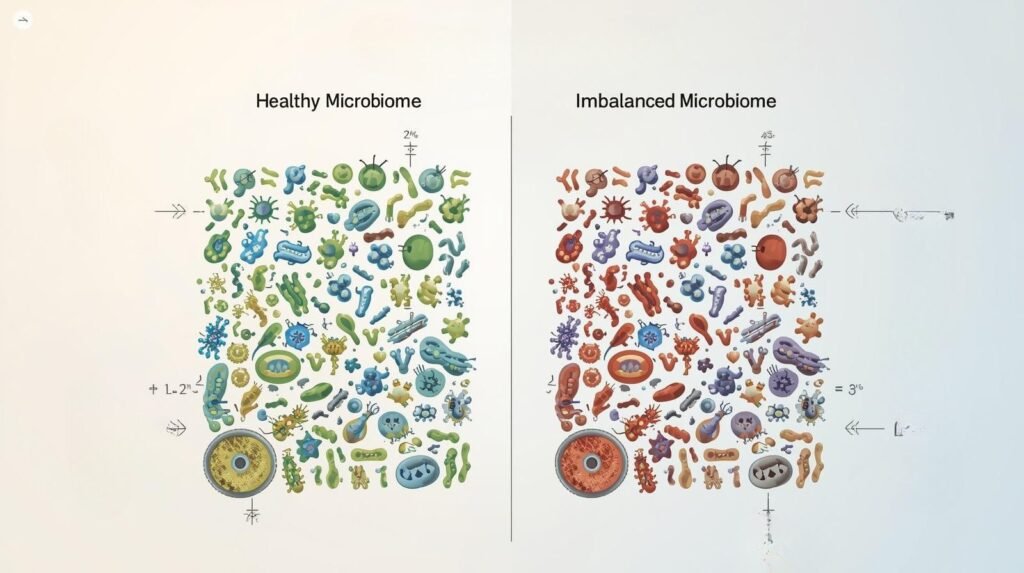
Your microbiome consists of simply startling numbers of bacteria, fungi and viruses which inhabit your gut. In their optimal condition, the Faecalibacterium and Bacteroides families of bacteria communicate with each other to create a sound system and assist in digestion and absorption of nutrients, prevent harmful organisms and toxins, control the level of inflammation, and to produce compounds that influence your brain (as well as sleep hormone) besides the way you feel.
- Digesting, and absorbing nutrients
- Defense against pathogens and toxins
- Control of inflammation
- Synthesis of societies and substances during bed chemistries
It is possible to have an imbalance of the microbiome because of the variations in the population of bacteria, i.e. your gut lacks the correct bacteria to aid its functioning. Dysbiosis may also happen because of the deficiency in good bacteria that allow healthy balance in the gut. It may as well imply that there are excess bad bacteria, or that there are fewer bacteria, of any sort. Once this happens, the whole body is affected.
Dysbiosis is common, but all hope is not lost. You might not have to live with this disorder. Just by adjusting your diet and lifestyle, and through a little individual attention, you can begin to manage the unwanted symptoms that an unwell gut can cause. That, of course, means an intimate understanding of your gut microbiome.
What Lifestyle Factors Contribute to Microbiome Imbalance?
The microbiome imbalance is a gradual yet gradual emergent phenomenon, typically as a result of one or more behavioral patterns prevalent in our modern lifestyle. It is worth identifying these factors to solve the problems with your health.
PATTERN 1: Antibiotic Use
It cannot be totally avoided, but you must realize that antibiotics kill bacteria, whether they are the good or the bad bacteria. You do not want to take antibiotics on a long-term basis unless it was the case of a life-saving requirement of your microbiome. To restore the balance, support your body using a good and healthy lifestyle.
PATTERN 2: Dietary Choices (Processed Foods & Low Plant Diversity)
You are starving the good gut bacteria by consuming a large amount of processed food and refined carbs, and less plant based food. The bacteria in our bowels are indescribably numerous but, most importantly, the good gut bugs are kept alive by the bugs in different plant foods and polyphenols (fibers inside them). Note: Gut bacteria also need other types of fibers and therefore the well-being of your microbiome needs diversity in plant foods, including color. Consume as many varieties of colored, vegetable food as you can pick.
Wellness shift: Consume at least 25 types of plant foods each week. The healing of your gut microbiome may be achieved by focusing on greater diversification in your diet.
PATTERN 3: Chronic Stress & Sleep Patterns
Several categories of infections such as food poisoning, viral gastroenteritis, H. pylori, SIBO, and parasites can negatively affect your gut microbiome.
Even after kicking the infection, your microbiome may need a boost to return to balance.
Wellness shift: Aim to get 7-9 hours of restful sleep at night, and increase that by 10 minutes daily, as you can, of activities that reduce your stress (such as meditating, breathwork or walking in nature).
PATTERN 4: Unresolved Infections
Many acute (food poisoning, H. pylori) and chronic (SIBO, parasites) infections can harm the microbiome. Even with treatment of the infection, it may take additional steps to restore balance among the microbiome’s bacteria.
Wellness opportunity: When you have persistent symptoms which could be connected with unresolved infections, you should consider functional microbiome testing. In that way, it can be seen whether the development of infections is contributing to those issues.
PATTERN 5: Environmental Toxin Exposure
Pesticides, heavy metals, mold toxins, and plastics are the substances that strain your gut lining and disrupt the balance of your gut bacteria. You can not avoid all environmental toxins but you can make minor decisions to reduce their effects.
Practical steps: Select organic foods whenever possible in order to minimize exposure to pesticides. Do not store leftovers in plastic. In a place with much environmental pressure, you should have your house examined to confirm that it is free of mold or other toxins.
PATTERN 6: Age & Microbiome Changes
Microbiome fluctuations occur as you age – and you change your habits, too. Perhaps you take more medication, or are not so active, or have not so diverse a diet. That all accumulates and can cause you to become older than you should.
Wellness strategy: Pay attention to nutrition that helps maintain a healthy microbiome. Eat a variety of foods, exercise, deal with stress, and ensure that you intake valuable nutrients.
Digestive Signs of Microbiome Imbalance
Your gut knows how to inform you that there is an imbalance in your microbiome. Pay attention—these signals generally are pretty clear:
– Experiencing bloating or added gas following meals
– Stomach discomfort or cramping sensations
– Constipation, diarrhea, or both in alternation
– Intermittent bathroom behaviors
– Acid indigestion or burning sensation in the chest
– Feeling full after eating little
– Observing undigested particles in your stool
– Changes in how your stool looks or feels
When you identify three or more of these, it is likely that your microbiome is the cause of your wellness issues.
Take our quick Wellness Assessment (just two minutes!) to figure out if microbiome imbalance testing and coaching might be beneficial.
Whole-Body Signs: When Microbiome Imbalance Affects Your Overall Wellness
When something is out of balance in your gut, it does not simply stay in your stomach. Microbiome issues can confuse your intestinal lining, trigger inflammation, and travel across your body. When you have any of these coupled with digestive problems, it may be your microbiome causing a significant role:
- Persistent Fatigue & Brain Fog
Fewer energy supporting compounds, increased inflammation. This is the way microbiome imbalance exhausts your body and clouds your thought process.
- Mood Changes (Anxiety, Low Mood, Irritability)
Most of your serotonin is produced by your gut. When your microbiome is disturbed, your connection is destroyed and your mood is affected.
- Skin Challenges (Acne, Eczema, Rosacea)
Dysbiosis leads to the gut lining to become permeable and inflammation – your skin tends to break out due to this.
- Newly Developed Food Sensitivities
An imbalanced microbiome weakens your gut barrier, which can spark new reactions to foods you used to handle just fine.
- Recurrent Minor Infections
Your body relies on the microbiome for immune backup. When it’s off, you become a target to frequent illnesses.
- Chronic Inflammation & Joint Discomfort
Increased inflammation results in increased pain- the muscles and joints of your body feel it.
- Hormonal Shifts
Your gut is playing a role in the estrogen metabolism. In case of an imbalanced microbiome, hormonal balance may be disrupted, and new symptoms may emerge.
When you get to this point with three or more things (including digestive changes), some assistance to your microbiome might be required.
A health microbiome analysis reveals the reality on the ground and can be used to develop an individualized strategy. The most significant thing? Individualized wellness support and coaching of lifestyle can turn these trends around.
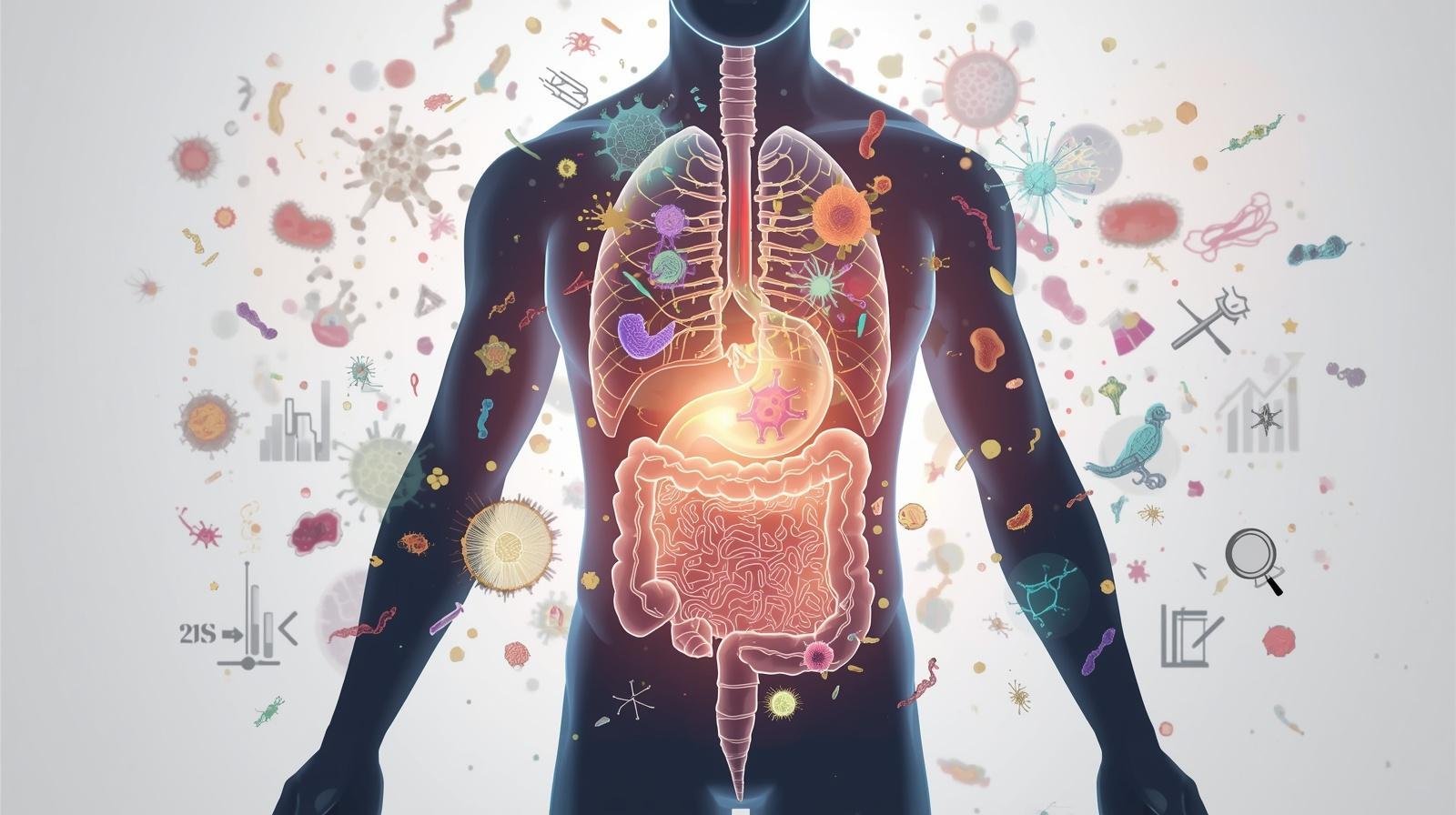
Understanding Your Microbiome: Functional Assessment & Testing
Functional microbiome testing is not a medical diagnosis, it is meant to deliver you and your wellness coach with valuable information. Testing reveals:
– What you carry (and lack) are helpful bacteria
– And how diverse the microbiome in your body is
– Which lifestyle choices can lead to imbalanced things?
– Custom strategies based on your unique gut profile
It takes out the speculation in your wellness plan. You are not presented with some general tips but a specific, personalized roadmap to rebuild your microbiome – through diet, habit changes, and specific nutritional guidance.
Other Common Test Options That We Don’t Use Overview – :
Microbiome + Inflammation Panel
It is a test that integrates information about your digestive bacteria with indicators of the leakiness of your gut. Together, you receive the holistic picture of your gut health.
At-Home Collection Kit
It is simple, just sample at home and mail them to us and we will take care of the rest. Your results are interpreted personally to ensure that you understand what they entail.
Comprehensive Stool Analysis
We examine your bowel flora in detail, including what is good, what is unbalanced, and evidence of inflammation. Now, beginning at that point, you receive nutrition and lifestyle guidance that is, in fact, personalized to you.
How to Restore Microbiome Balance: Six Wellness Foundations
Your microbiome is easy to rebuild, yet it requires routine and conscious lifestyle modifications. Six pillars can help your gut bacteria to repair themselves:
Step 1: Plant Diversity in Your Daily Diet
Fiber and polyphenols are the favorite foods of your healthy gut bacteria; they can find them together in a plant mixture. Eat 25 or more varieties of plant foods per week: veggies, beans and lentils, whole grains, nuts, seeds, and fruits.
Practical shift: Choose one new plant food weekly. After a month, you will see the actual difference in the variety of food.
Step 2: Stress Reduction & Sleep Prioritization
Direct harm to the microbiome is caused by stress and insomnia. Make a regular sleep (7-9 hours) and take 10 minutes of stress-reduction strategies each day.
Practical shift: Regular workouts (walking, yoga, strength training) can transform your microbiome to healthy diversity and can reduce inflammation.
Step 3: Movement & Physical Activity
High sugar and ultra-processed food diets favor disproportional bacterial species and lead to inflammation. The destruction of these removes fuel in the problem organisms.
Practical shift: Aim 150 minutes of moderate activity per week, daily movement breaks.
Step 4: Reduce Processed Foods & Added Sugars
As long as you are imbalanced because of infections, toxin exposure, or drug regimens, a plan to right those underlying causes accelerates healing.
Practical shift: Function testing will allow you to know what root causes matter most in your case.
Step 5: Targeted Nutritional Support
Restoration can be enhanced with certain nutrients (prebiotics, probiotics, polyphenols, omega-3s) depending on your microbiome profile and wellness objectives. They are not substitutes to diet, they are tactical additions to your evaluation.
Practical shift: Work with your wellness coach to identify which nutritional supports align with your unique needs.
Step 6: Address Root Causes
As long as you are imbalanced because of infections, toxin exposure, or drug regimens, a plan to right those underlying causes accelerates healing.
Practical shift: Functional testing helps you understand what root causes are the most important in your case.
Personalized Microbiome Coaching Designed for Your Wellness Goals
Generic microbiome suggestions are not effective since your bacterial ecosystem belongs to you. We also take a combination of functional evaluation and one-on-one lifestyle coaching-we will explain what your microbiome is and how to reestablish equilibrium naturally.
Comprehensive Microbiome Assessment
On the basis of functional testing and careful lifestyle analysis to define your own patterns of imbalance.
Personalized Restoration Plan
A step-by-step guide tailored to your diet preferences, schedule, and wellness goals—not generic advice.
Ongoing Coaching Support
Regular check-ins to adjust your plan, celebrate wins, and navigate challenges. Real accountability and real results.
Root-Cause Identification
We find out what lifestyle habits, stressors or past experiences made you out of balance–so you can avoid repeat.
Nutritional Guidance
Specific dietary and supplemental strategies based on your microbiome profile and wellness goals.
Long-Term Wellness Framework
You are not merely addressing an issue; you are creating habits that sustain your microbiome over the years.
Real Wellness Outcomes from Microbiome Restoration Coaching
Client transformations typically include:
– Removal of chronic bloating and digestive distress
– Reinstatement of natural energy and mental clarity
– Stabilized mood and reduced anxiety
– Clearer skin and improved inflammatory markers
– Food sensitivity resolution
– Stronger immune resilience (fewer seasonal infections)
– Long-term lifestyle modification that avoids relapse
Where you start, how consistent you are, and things vary results. But clients usually testify of considerable improvement in wellness between 8-12 weeks of coaching.
Ready to Restore Your Microbiome? Start Here.
Microbiome imbalance is reversible – but it requires clarity and consistency. Let’s start where you are.
Frequently Asked Questions About Microbiome Installation
Q: Is microbiome imbalance a medical diagnosis?
No. Microbiome imbalance (dysbiosis) is a wellness measurement- a means of determining lifestyle habits that influence your health. Not a medical diagnosis, microbiome testing is not diagnostic but educational. We would always suggest that you consult your health provider with regards to any medical issues.
Q: Can I restore my microbiome on my own, or do I need coaching?
Much can be achieved independently, particularly the lifestyle basics as listed here. Nonetheless, customized coaching is much quicker since it determines your own patterns and holds you responsible. Testing + coaching eliminates guess work and brings about clarity.
Q: How long does microbiome restoration take?
Majority of the clients report improvement within 4-8 weeks and major changes within 8-12 weeks. Alterations to microbiome occur over time. It is better to be consistent rather than to be perfect.
Q: What if I've taken antibiotics multiple times? Can my microbiome recover?
Yes it can. While repeated antibiotic use creates a challenge, your microbiome is very resilient. With targeted lifestyle changes and nutritional support recovery is possible.
Q: Do I need supplements to restore my microbiome?
Not necessarily. Lifestyle and dietary modifications are fundamental and can be adequate. Supplies are new products depending on the profile of your microbiome and health intentions. Do not substitute actual food and healthy lifestyles.
Q: How do I know if testing is worth it?
In case you have had trouble with digestion, felt fatigued or otherwise wellness-challenged for months and months and lifestyle modifications have not helped it, testing can give you certainty and eliminate guesses. It transforms symptoms into a self-centered healing regimen.